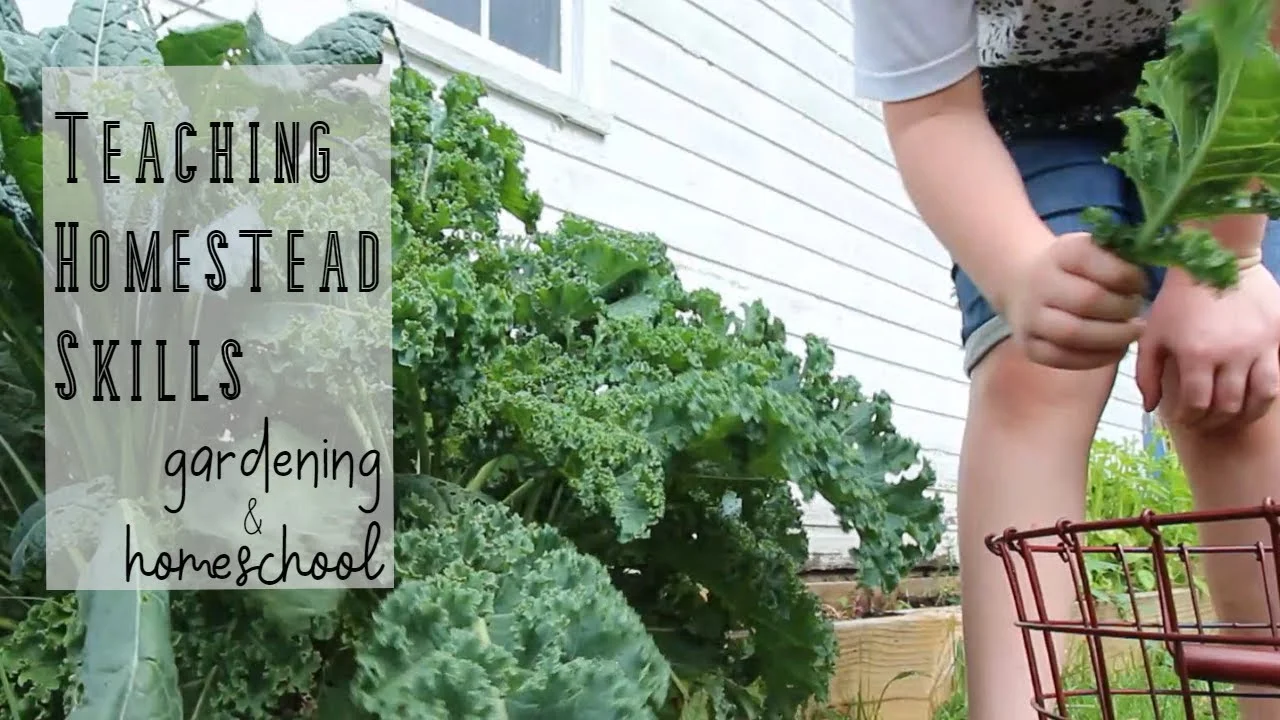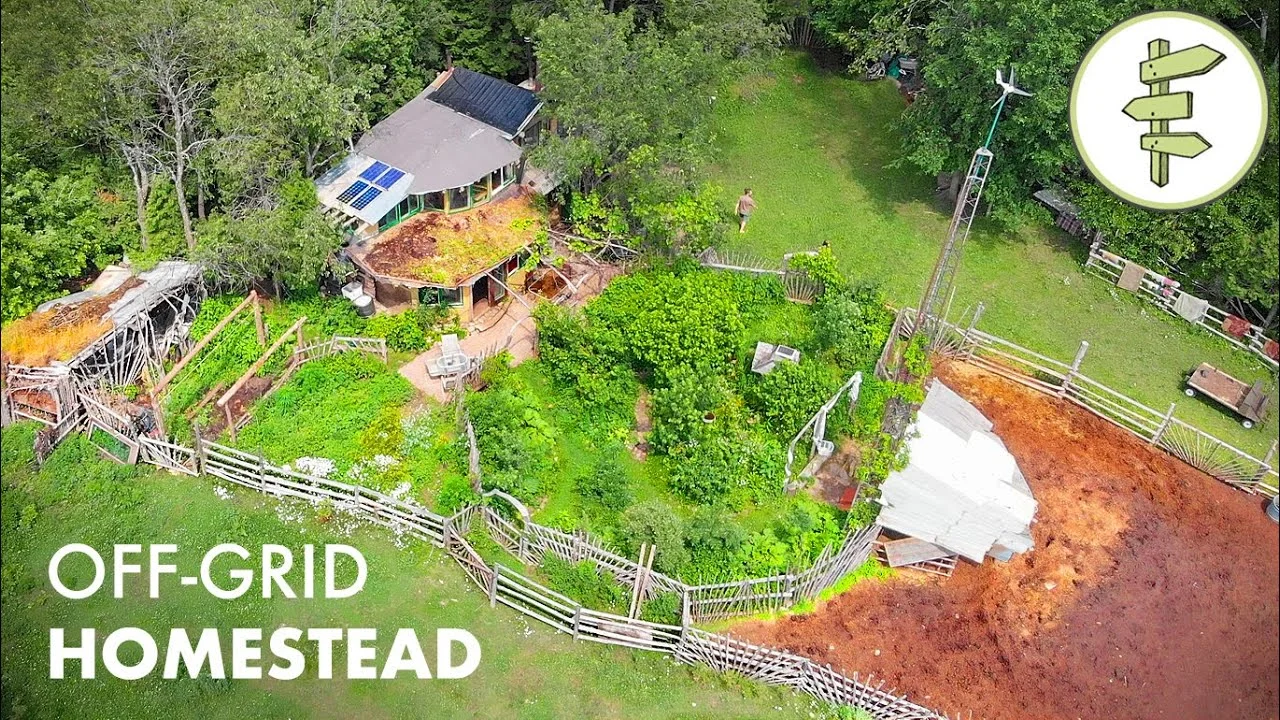
Homesteading and home education are natural partners in cultivating self-reliant, critical thinkers. Unlike conventional classroom settings that isolate subjects into abstract theory, a working farm provides an immediate, living laboratory where biology, chemistry, physics, and economics intersect every single day. Children calculate feed conversion ratios, track incubation humidity for poultry eggs, study soil microbiology in compost piles, and learn seasonal botany through garden crop rotations.
Beyond academic rigor, farm-based education instills an unmatched work ethic, mechanical competence, and emotional maturity from an early age. Daily animal chores teach accountability when life depends on consistency, while equipment repairs, carpentry builds, and food preservation foster practical problem-solving skills that textbooks cannot replicate. Children educated on the land learn where their sustenance comes from, developing a deep reverence for life, natural cycles, and true resource stewardship.
Successfully navigating homestead homeschooling requires establishing a sustainable balance between rigorous core academics and hands-on outdoor field projects. Many families utilize unit studies centered around seasonal rhythms—focusing on botany, soil chemistry, and germination in early spring, animal husbandry and genetics in summer, math and food economics during autumn harvest, and classical literature, history, and carpentry in the quiet winter months. State homeschool regulations vary, so keeping organized portfolios of agricultural science projects and practical skills assessments ensures legal compliance while honoring your family's educational sovereignty.
Connecting with local homeschool co-ops, 4-H clubs, and regional farm education networks adds rich social engagement and collaborative learning opportunities. Group barter projects, community barn-raising workdays, and youth farmers market stalls allow children to practice public speaking, direct commerce, and teamwork within a supportive rural culture. By grounding education in practical competence and familial purpose, homestead homeschooling raises confident young adults capable of thriving in any environment.