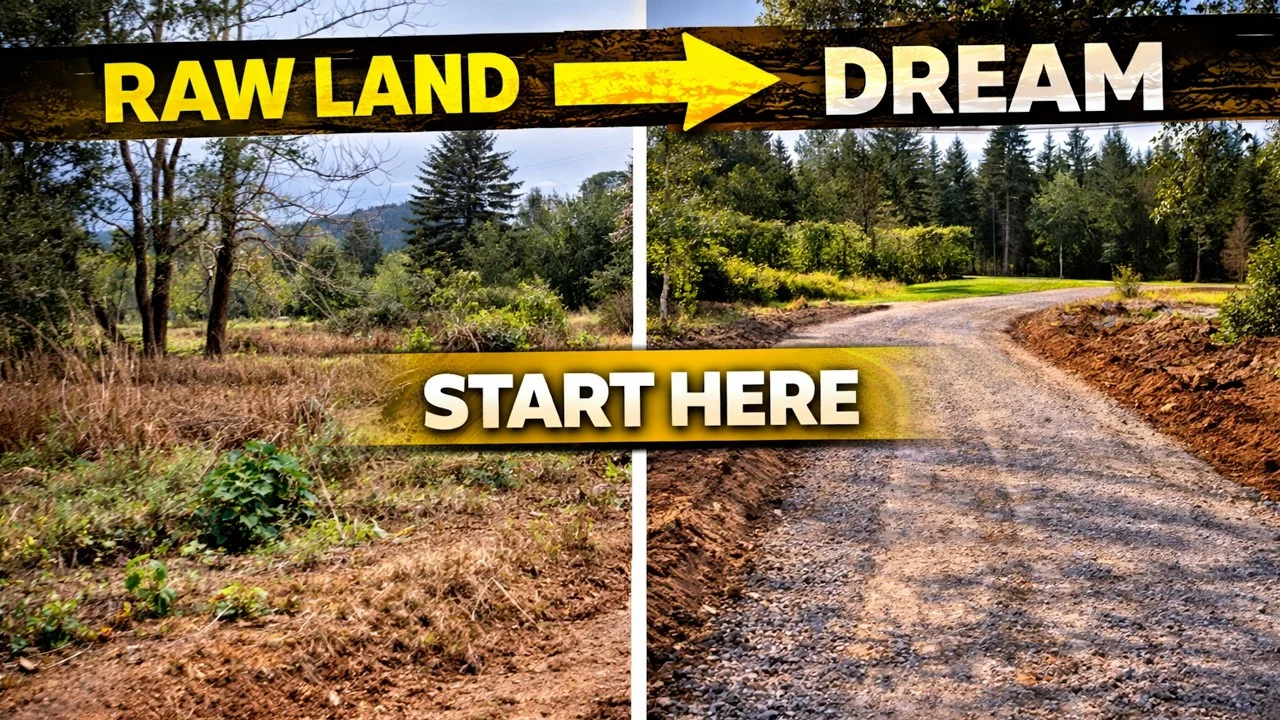
Purchasing land for a working homestead is the single most consequential financial and operational decision you will ever make. Unlike standard residential real estate, which prioritizes proximity to urban centers and cosmetic curb appeal, homestead acreage must be evaluated through the lens of productive biological capacity. A parcel without reliable water, adequate sunlight, legal road access, or fertile topsoil will drain financial reserves and break spirits before the first crop is harvested.
Water accessibility is paramount during due diligence. Before extending an earnest money offer, investigate county well-completion records for neighboring parcels to gauge average aquifer depth, flow rates (measured in gallons per minute), and water quality. If relying on springs, verify perennial year-round flow during the driest months of late August. Furthermore, conduct an official soil percolation test (perc test) to ensure the land will legally support a standard gravity septic system without requiring costly engineered mound alternatives.
Topography and solar aspect dictate agricultural productivity and energy independence. In the Northern Hemisphere, south-facing and southeast-facing slopes receive optimal solar radiation throughout winter months, maximizing greenhouse solar gain, pasture grass growth, and photovoltaic efficiency. Conversely, low-lying bottomland parcels may harbor frost pockets that shorten growing seasons by weeks, or suffer from poor drainage that turns pastures into muddy, disease-ridden bogs during spring rains.
Scrutinize title reports for hidden legal encumbrances: mineral rights reservations, timber leases, utility easements, and restrictive covenants that prohibit livestock, temporary outbuildings, or off-grid power systems. Walking the physical boundary lines with a handheld GPS and speaking directly with surrounding landowners uncovers historical flooding patterns, local predator pressures, and neighborhood dynamics that real estate listings never disclose.