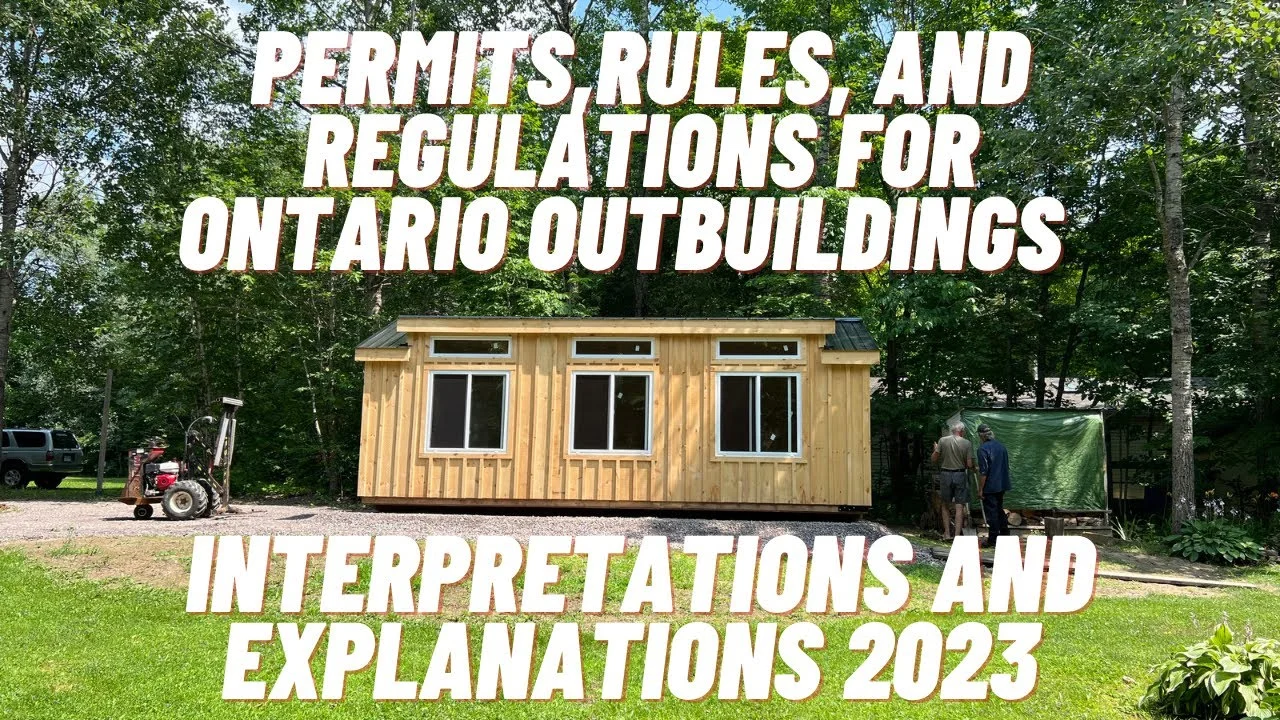
The romantic vision of unrestricted rural freedom often collides with complex legal realities across American counties and townships. From county comprehensive zoning plans and deed covenants to restrictive building codes, prospective homesteaders must understand the legal parameters governing their land before driving a single fence post. Zoning classifications such as Agricultural (A-1), Rural Residential (RR), or Unincorporated General determine everything from livestock animal units per acre to permit-free agricultural outbuilding square footage.
Water rights represent one of the most critical legal considerations in the United States, particularly west of the Mississippi River where the Prior Appropriation Doctrine ('first in time, first in right') dominates. In many arid western states, property ownership does not automatically grant rights to drill deep wells, divert surface streams, or even collect rooftop rainwater without state permits. Understanding whether your land falls under Riparian Doctrine or Prior Appropriation prevents catastrophic legal disputes and dry cisterns.
Homestead exemption laws offer vital statutory protection for family dwellings against forced creditor sales during unexpected bankruptcy or liability lawsuits. While state-specific exemptions vary from modest equity limits to unlimited homestead asset protections (such as in Texas and Florida), homesteaders must file proper documentation with county clerk offices. Additionally, applying for agricultural property tax valuations (Greenbelt or Ag exemptions) significantly lowers annual property tax burdens when land is actively managed for timber, hay, pastured livestock, or commercial market crops.
Navigating cottage food statutes, off-grid dwelling permits, and raw milk regulations requires constructive engagement with local health departments and agricultural inspectors. Establishing friendly relationships with county commissioners and township boards often uncovers sensible permit pathways, alternative building material allowances (such as cordwood, straw bale, or timber framing), and localized farming incentives that allow your homestead to operate legally, peacefully, and profitably.