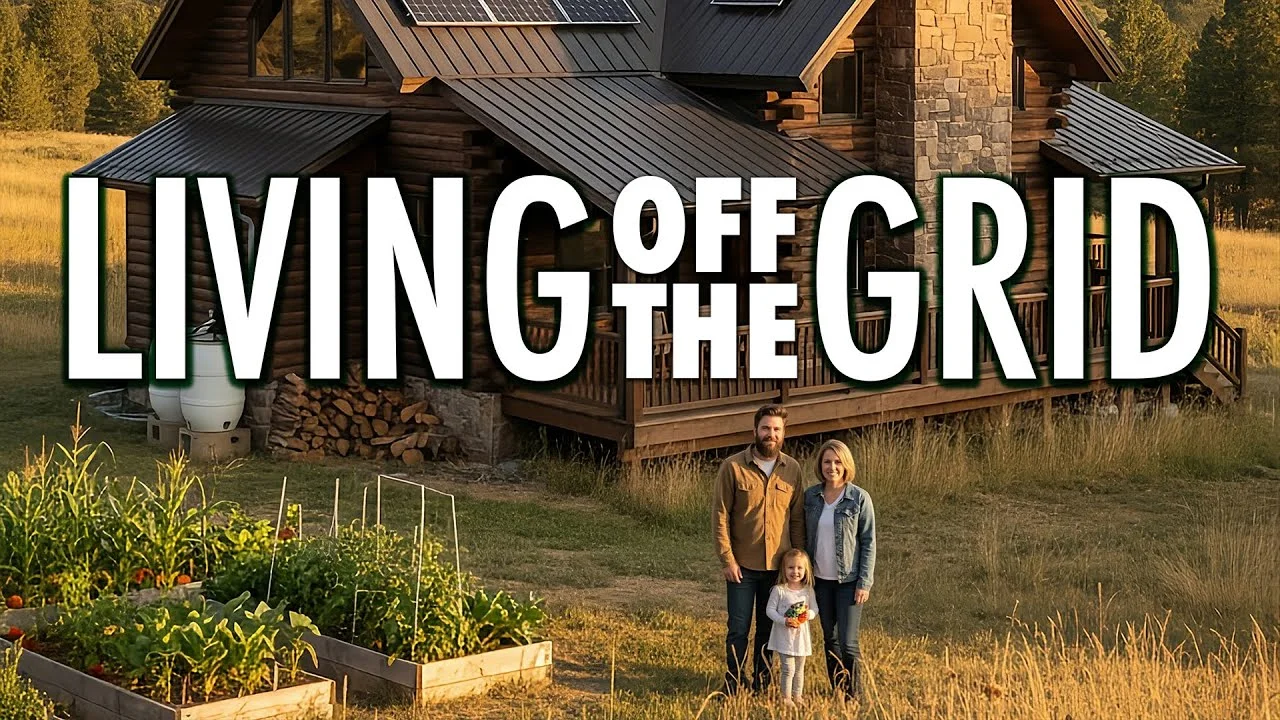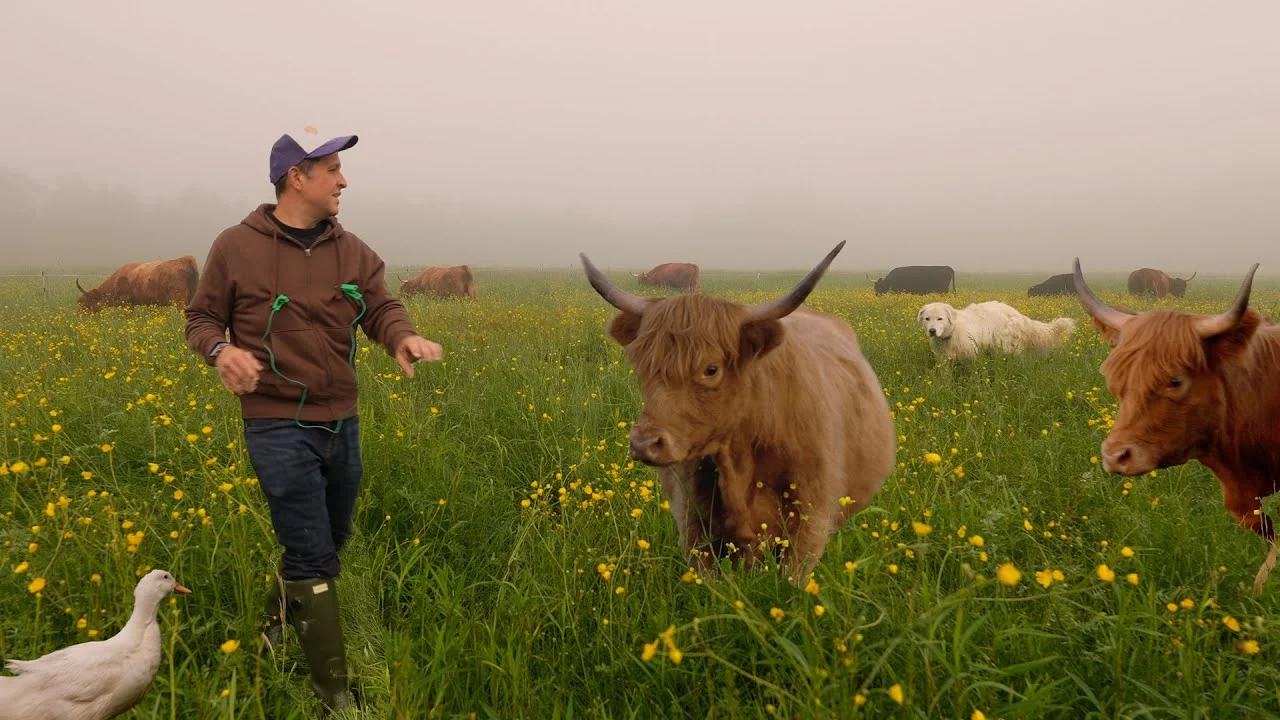
Cinematic documentaries provide powerful inspiration and philosophical grounding for families contemplating the leap into self-reliance. Landmark films such as 'The Biggest Little Farm', 'Kiss the Ground', 'Polyfaces', and 'Inhabit' showcase the breathtaking transformation of depleted, degraded soils into flourishing, biodiverse agricultural paradises. These films demonstrate that human stewardship, when harmonized with natural ecology, heals the earth while providing abundant nourishment.
Beyond agricultural techniques, historical and biographical documentaries chronicle the profound psychological resilience of individuals who forged an independent existence on the American frontier. Masterpieces like 'Alone in the Wilderness'—capturing Dick Proenneke hand-crafting an Alaskan log cabin with hand tools—serve as enduring masterclasses in patient craftsmanship, mental fortitude, and quiet self-reliance in remote, unforgiving environments.
Documentary cinema also shines a critical spotlight on the systemic vulnerabilities of centralized corporate food production and globalized logistics. By exposing the fragility of chemical monocultures, industrial slaughterhouses, and fossil-fuel-dependent supply lines, these films reinforce why decentralized family micro-farms, regional food networks, and personal pantries are essential matters of national and familial security.
Hosting documentary screening nights with your family and rural neighbors fosters rich conversations about community food security and land ethics. Analyzing the real-world trials, financial stress, and triumphant breakthroughs depicted on screen prepares prospective homesteaders for the grit required behind the scenes, ensuring expectations remain firmly anchored in reality.