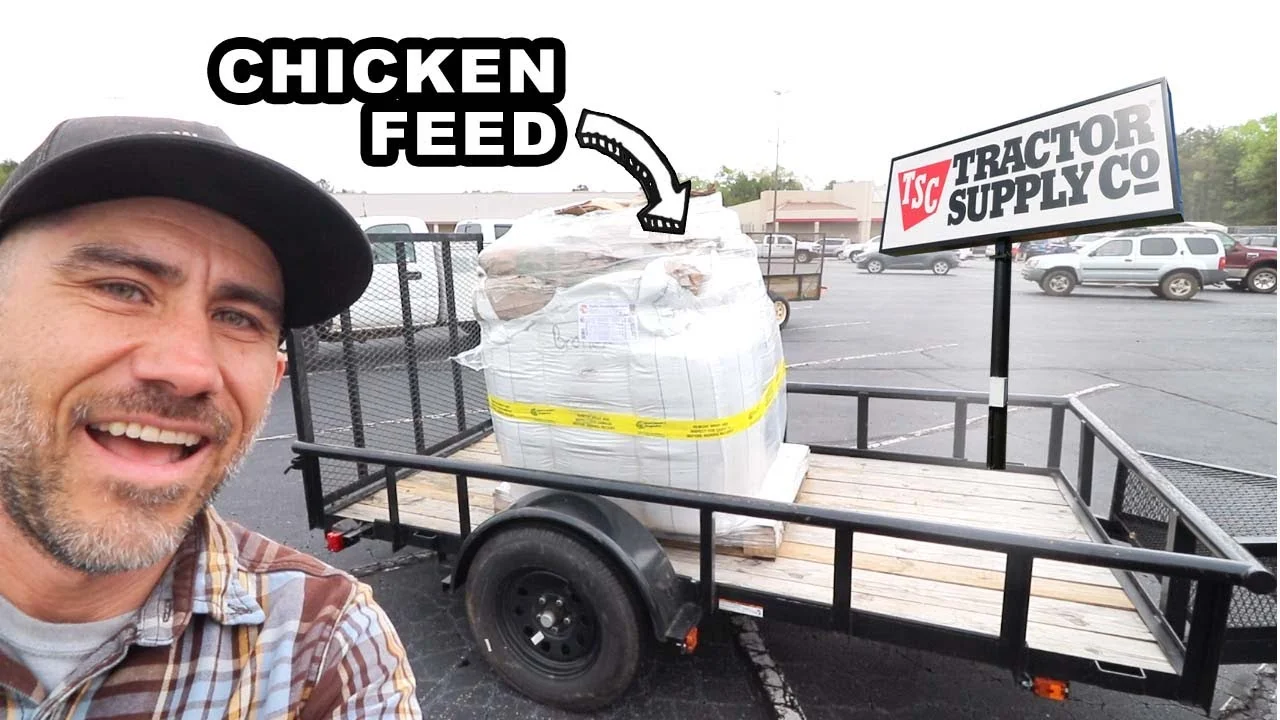
While modern homesteaders often turn to online forums for advice, the most vital, life-saving resources are situated within twenty miles of your farm gate. Every thriving rural community functions through an informal network of generational farmers, independent feed mills, equipment mechanics, and skilled tradespeople. Connecting with these local pillars provides access to regionally acclimatized seed stock, bulk non-GMO feed discounts, and heavy machinery sharing that transforms homestead economics.
Independent feed cooperatives and local grain elevators offer custom feed ration blending at a fraction of the cost of bagged retail feeds found in commercial big-box stores. Furthermore, local livestock sale barns and county auctions provide unmatched opportunities to observe market pricing, purchase acclimated regional stock, and connect with reputable local breeders who stand behind their genetics. Learning to buy bulk agricultural lime, seasoned sawdust bedding, and clean round-bale hay directly from neighboring fields cuts input costs dramatically.
Community seed swaps and regional plant exchanges serve as the frontline defense for biological heritage and food resilience. Open-pollinated heirloom seeds passed down through generations of local gardeners carry epigenetic adaptations to your area's specific rainfall patterns, frost dates, and endemic soil fungi. Participating in county seed libraries and garden club exchanges preserves these irreplaceable landrace varieties while forging strong bonds with knowledgeable elder gardeners.
Equipment sharing arrangements and collaborative work parties ('frolics' or barn-raisings) solve the homestead capitalization hurdle. Few micro-homesteads can justify the standalone expense of a high-tonnage log splitter, post-pounder, tractor backhoe, or commercial honey extractor. By pooling resources with trusted neighbors or bartering skills—trading welding repair for winter firewood, or pasture grazing for tractor tillage—you build a resilient localized economy impervious to supply chain disruptions.


