The tradition of American homesteading is woven directly into the cultural fabric of self-reliance, private property ownership, and constitutional liberty. Signed into law by President Abraham Lincoln in 1862, the historic Homestead Act granted 160 acres of surveyed federal public land to any citizen who agreed to reside on the parcel, build a home, and cultivate the soil for five continuous years. Over its 124-year existence, the program transferred more than 270 million acres into the hands of ordinary families.
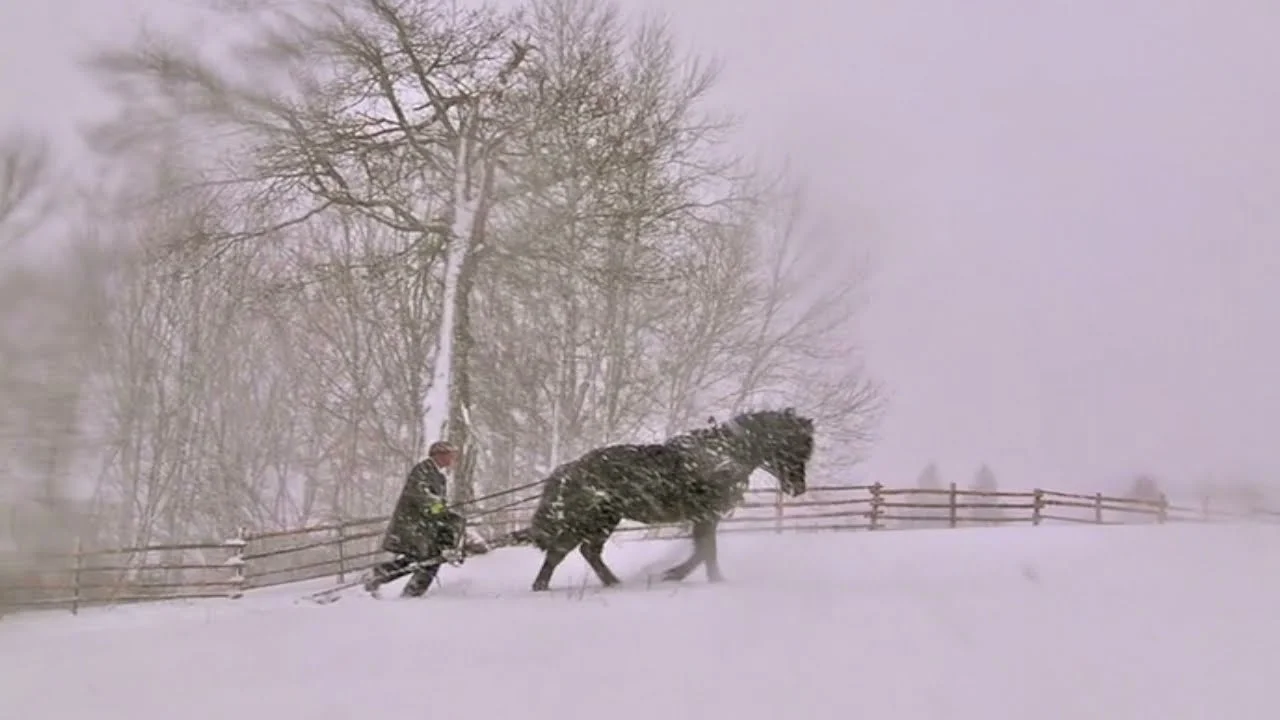
Pioneer homesteaders confronted staggering hardships: constructing sod homes on treeless prairies, enduring blinding blizzards, enduring catastrophic grasshopper plagues, and manually breaking dense prairie sod with teams of oxen. Despite harsh elements and high attrition, those who persevered developed ingenious techniques for water conservation, root cellaring, seed acclimation, and cooperative community threshing rings that laid the groundwork for modern sustainable agriculture.
During the social and economic upheavals of the 1960s and 1970s, a new generation ignited the 'Back-to-the-Land' movement, inspired by icons like Helen and Scott Nearing's 'Living the Good Life' and Stewart Brand's 'Whole Earth Catalog'. Countercultural pioneers abandoned consumerist corporate centers to relearn forgotten rural arts: organic gardening, log cabin joinery, wool spinning, and draft horse teamster skills, seeding the contemporary homesteading revival.
Today's 21st-century homesteading movement synthesizes time-tested pioneer wisdom with advanced technological tools. Modern homesteaders utilize computer-modeled solar energy arrays, high-tensile electric fencing, precision drip irrigation, freeze-drying technology, and high-speed satellite internet to manage productive enterprises while remaining rooted in the earth. Understanding this rich historical lineage empowers contemporary homesteaders to carry forward the torch of human independence.