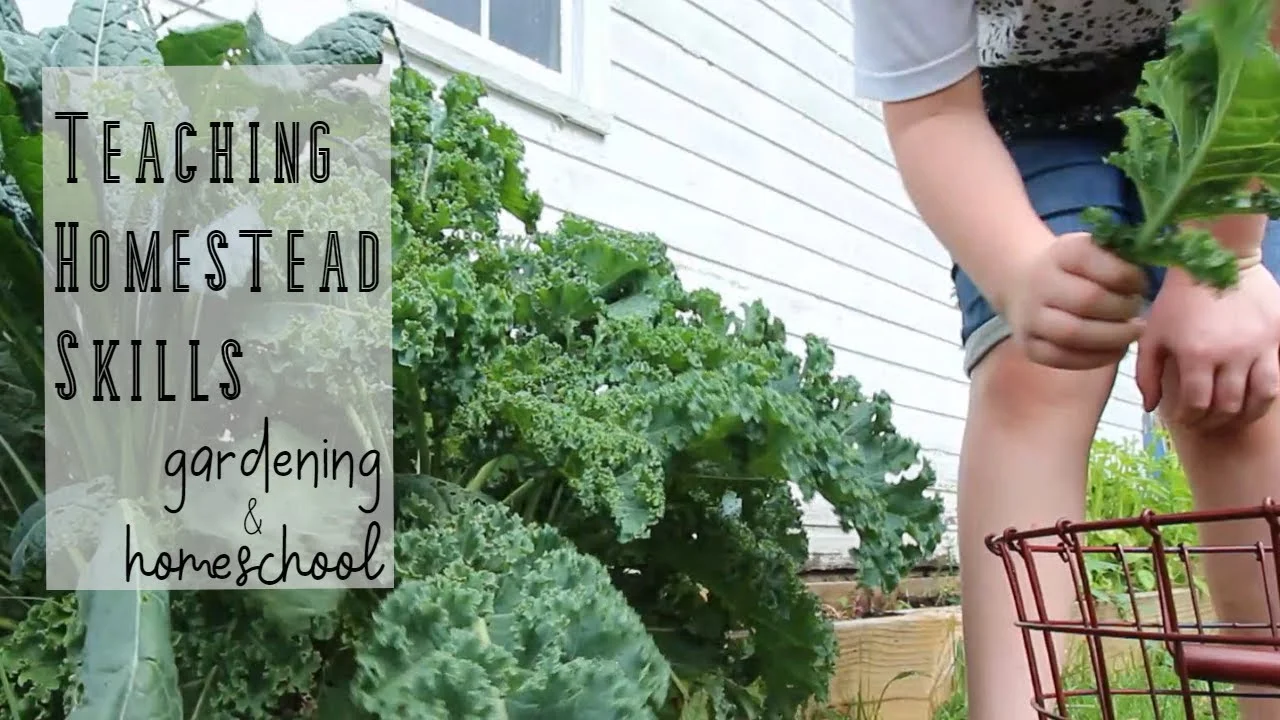
Passing the mantle of self-reliance to the next generation is among the most rewarding endeavors of homestead life. Long before children are strong enough to split seasoned firewood or operate tractors, they can actively participate in the daily pulse of the farm. Teaching children about homesteading is not about imposing tedious drudgery—it is about inviting them into purposeful, consequential work where their individual contributions tangibly sustain the family, cultivating genuine confidence, pride, and an instinctual work ethic.
A successful childhood homestead progression begins with age-appropriate responsibilities matched to physical and emotional development. Toddlers and young children thrive on tactile, sensory tasks: gathering morning eggs from nesting boxes, dropping vegetable peelings to pastured poultry, pulling weeds from raised strawberry beds, and planting large seeds like beans and sunflowers. As dexterity matures, elementary-aged children can graduate to measured animal feedings, grooming dairy goats, monitoring incubator thermometers, and watering greenhouse trays with dedicated child-sized watering cans.
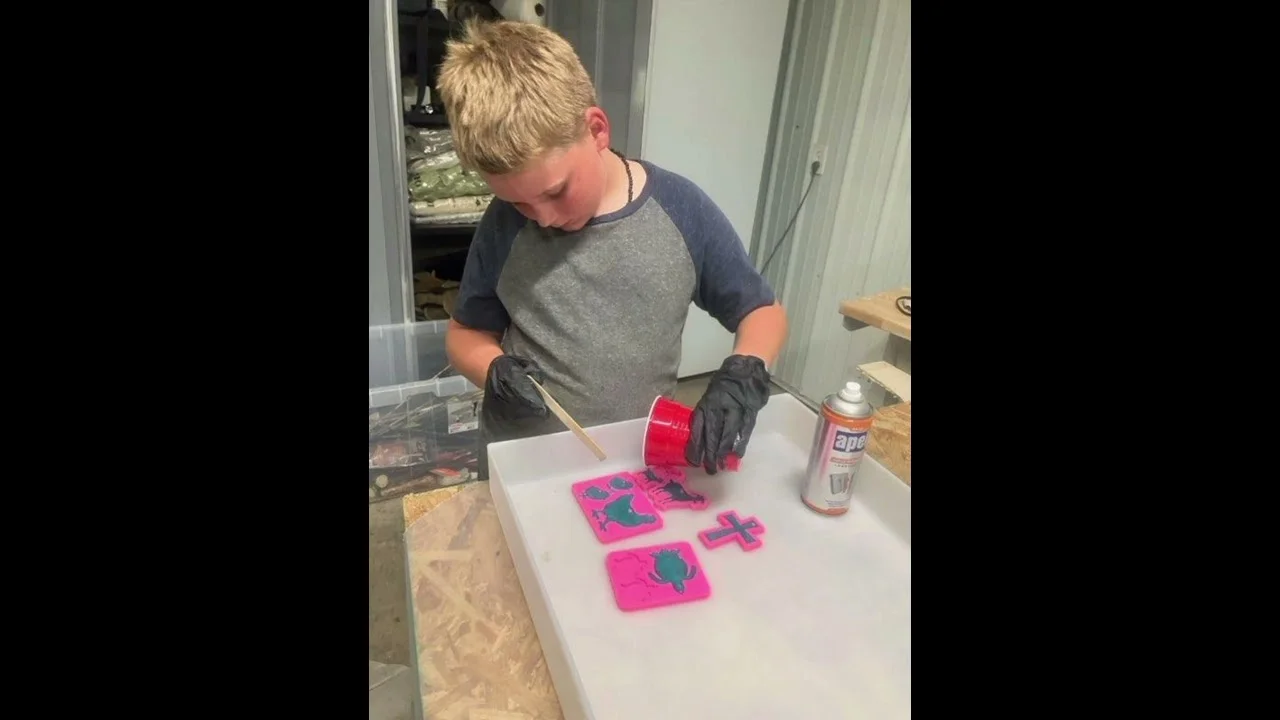
Instilling mechanical competence and uncompromising tool safety early transforms adolescents into indispensable farm partners. Teaching proper knife handling, wood carving, basic hand-sawing, cordage knots, and safe battery-powered drill operation under direct parental supervision removes fear and fosters disciplined respect for sharp blades and machinery. By the teenage years, youth who grew up immersed in daily chores naturally master tractor maneuvering, chainsaw maintenance, livestock parturition triage, and basic carpentry framing.
Above all, teaching kids about homesteading fosters an enduring reverence for natural cycles, life, and death that sterile modern culture often obscures. Witnessing the miracle of a kid goat's birth, nursing a sick calf back to health, and participating honorably in the autumn livestock harvest grounds children in reality and empathy. When children understand that eggs do not originate in styrofoam cartons and heat does not simply appear from wall thermostats, they develop deep gratitude, resilience, and problem-solving fortitude that serve them for a lifetime.