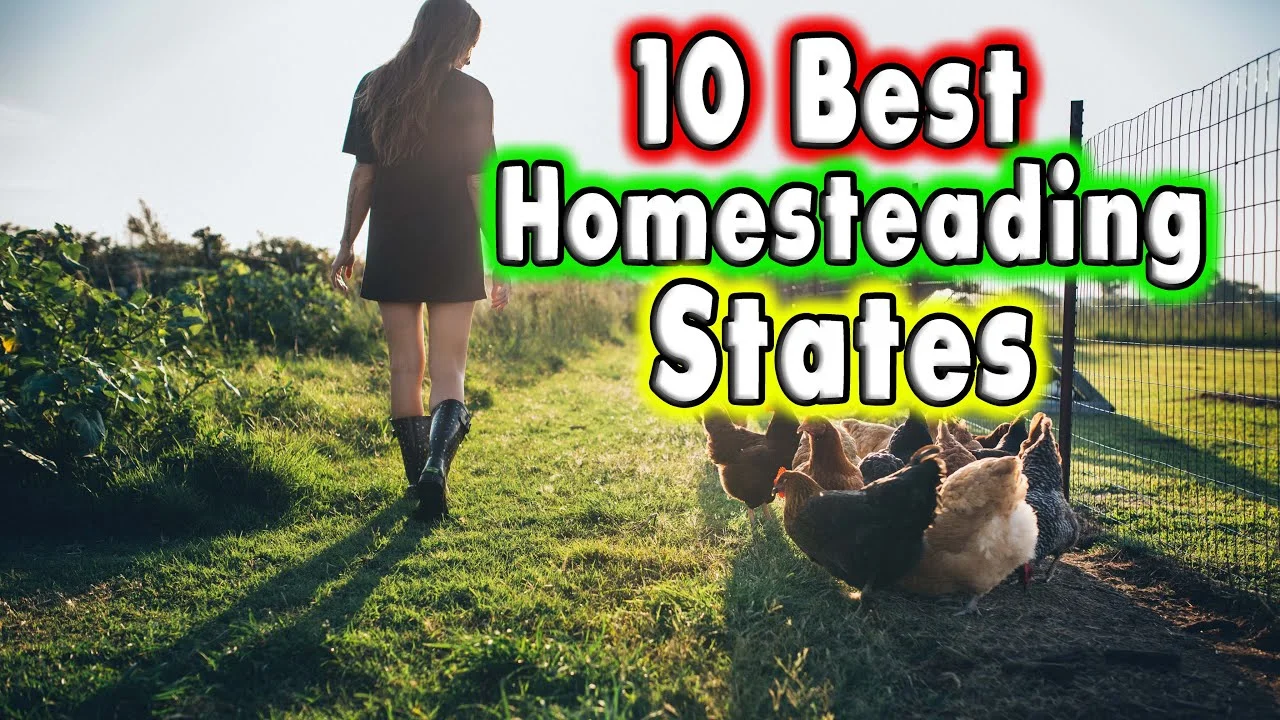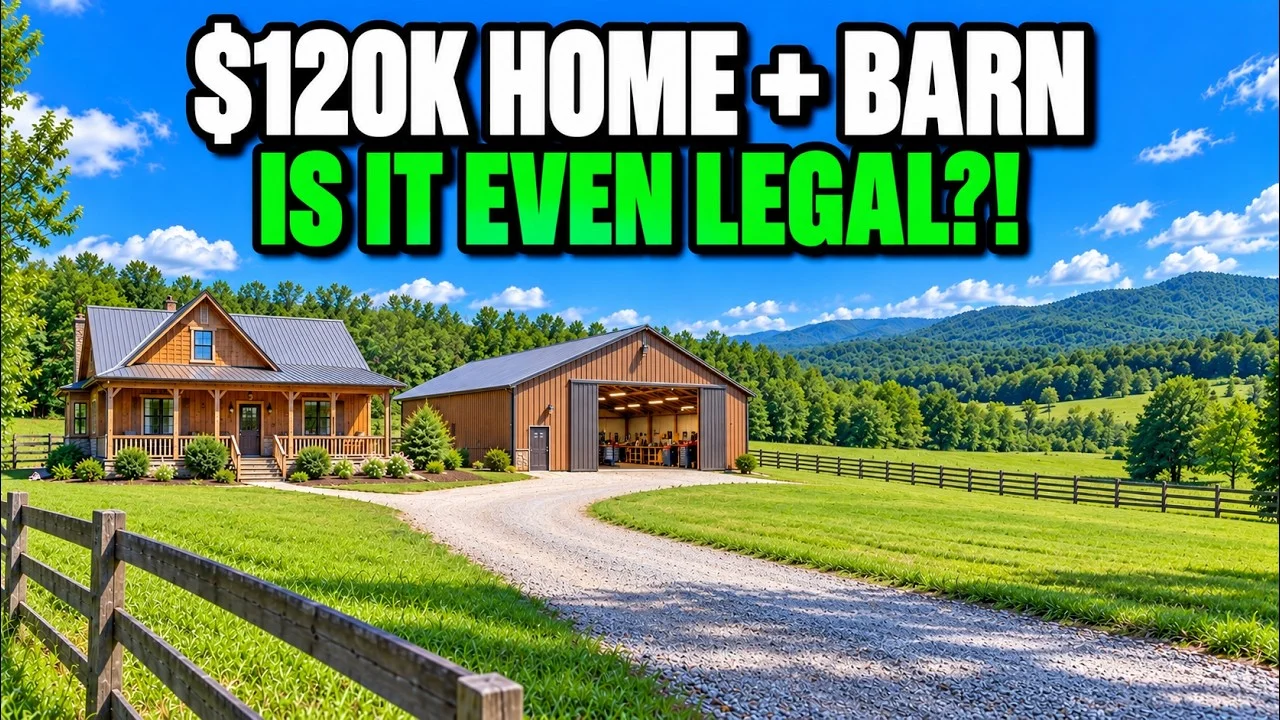
Finding the ideal homestead location in the United States requires balancing land affordability, growing season duration, annual precipitation, and local political freedom. The American Ozarks—spanning southern Missouri and northern Arkansas—remains a premier destination due to four distinct mild seasons, abundant rainfall averaging 45 inches annually, low property taxes, and minimal county building restrictions. However, the rocky, shallow chert soils demand extensive no-till compost building and cover cropping before market gardens reach peak productivity.
The Appalachian corridor, extending from eastern Tennessee and Kentucky into West Virginia and Virginia, offers fertile mountain hollows, gravity-fed spring water, and rich timber reserves. While steep topography limits large-scale grain farming, it is uniquely suited to permaculture hillside swales, rotational sheep and goat grazing, and forest mushroom cultivation. The region also boasts a deep generational heritage of rural self-reliance, seed saving, and Appalachian folk medicine that warmly welcomes dedicated newcomers.
For homesteaders prioritizing deep, fertile topsoil and cool-climate food production, the Upper Midwest (Michigan, Wisconsin, and Minnesota) provides world-class organic growing ground and unlimited freshwater access near the Great Lakes. However, winter temperatures plunging well below zero require heavily insulated root cellars, high-tunnel heating systems, and substantial cordwood reserves. Conversely, the Pacific Northwest offers year-round temperate forage and phenomenal berry yields, offset by higher acreage prices and persistent winter cloud cover that challenges solar arrays.
The American Sunbelt and Texas Hill Country provide long, 250-day growing seasons and strong legal protections for property rights, but present significant summer heat stress and intermittent drought. Successful homesteading across these southern latitudes hinges on heavy water catchment infrastructure, deep mulching to prevent soil moisture evaporation, and heat-tolerant livestock breeds like Katahdin sheep and Spanish goats. Matching your family's skills, capital, and climate tolerance to the land ensures long-term homestead longevity.